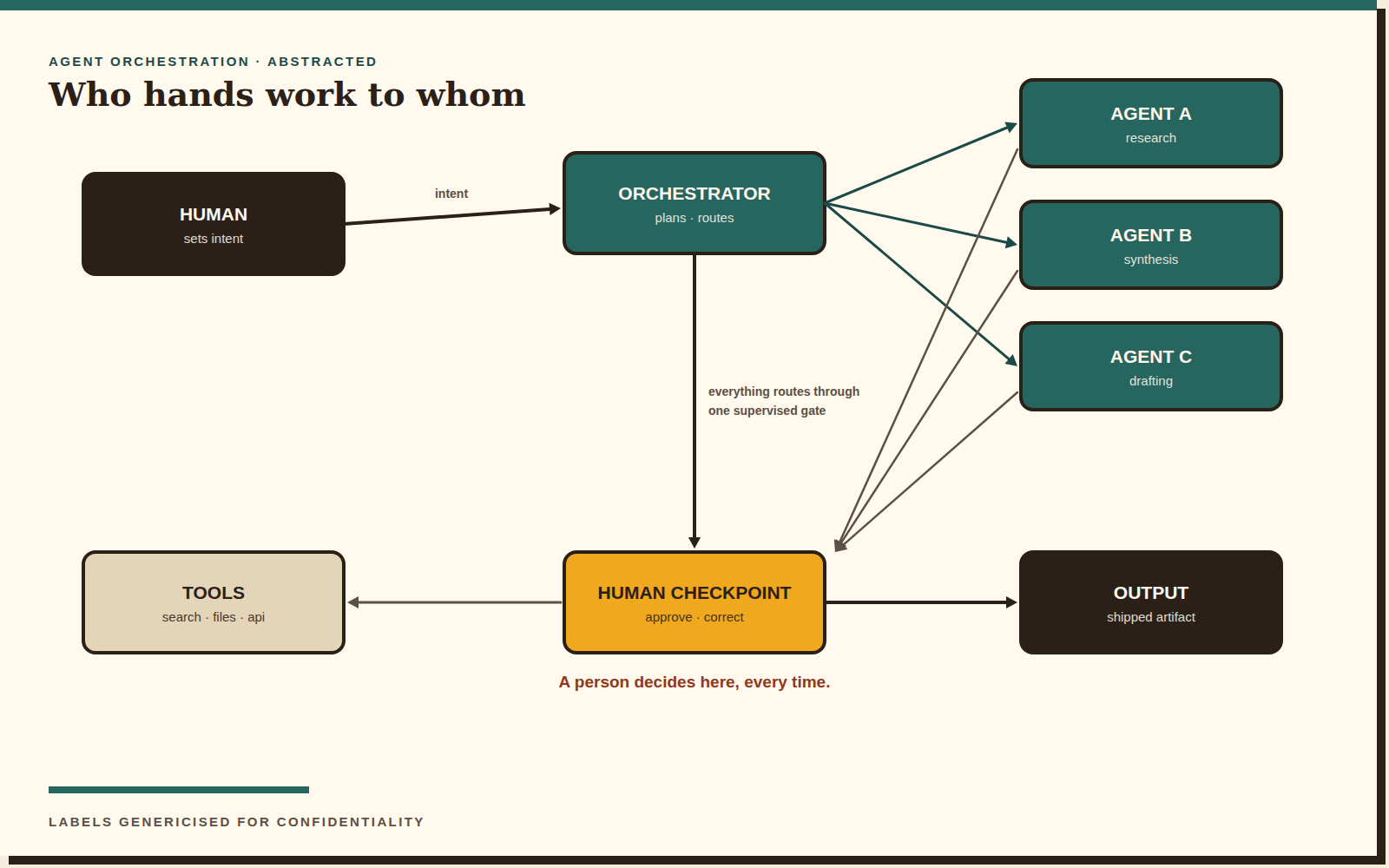
Stealth AI startup
Designing for the Agentic Era
Where the patterns don't exist yet, so we're inventing them.
- AI UX
- Orchestration
- Prototyping

Cash, swagger and AI-related confidence are dramatizations. Vehicle not included. Mustache results may vary. No agents were harmed in the making of this website. Void where boring.
AI Product Design
Bold subtlety.
Quietly powerful.
Available for opportunities
talent@brianprice.designPersona Card
AI-native, people-centric designer and systems architect.
Applies design judgment where it matters most: AI-native products where the interface can create and fail in ways like never before. Motivated by the user who was never asked. Frequently observed translating research into empathy maps and other UX artifacts. Rarely observed delivering without putting people first.
Value Offer
AI accelerated design and delivery
A rare experience stack in design judgment, systems architecture, artistry, and multi-model fluency in one person means no loss in translation between the vision and the build. The proof is shipped products and experiences for Microsoft, T-Mobile, Citi Bank, Vanguard, Expedia, and Cisco, with a posture of always being the user's best friend in every room.
Stealth AI startup
Where the patterns don't exist yet, so we're inventing them.
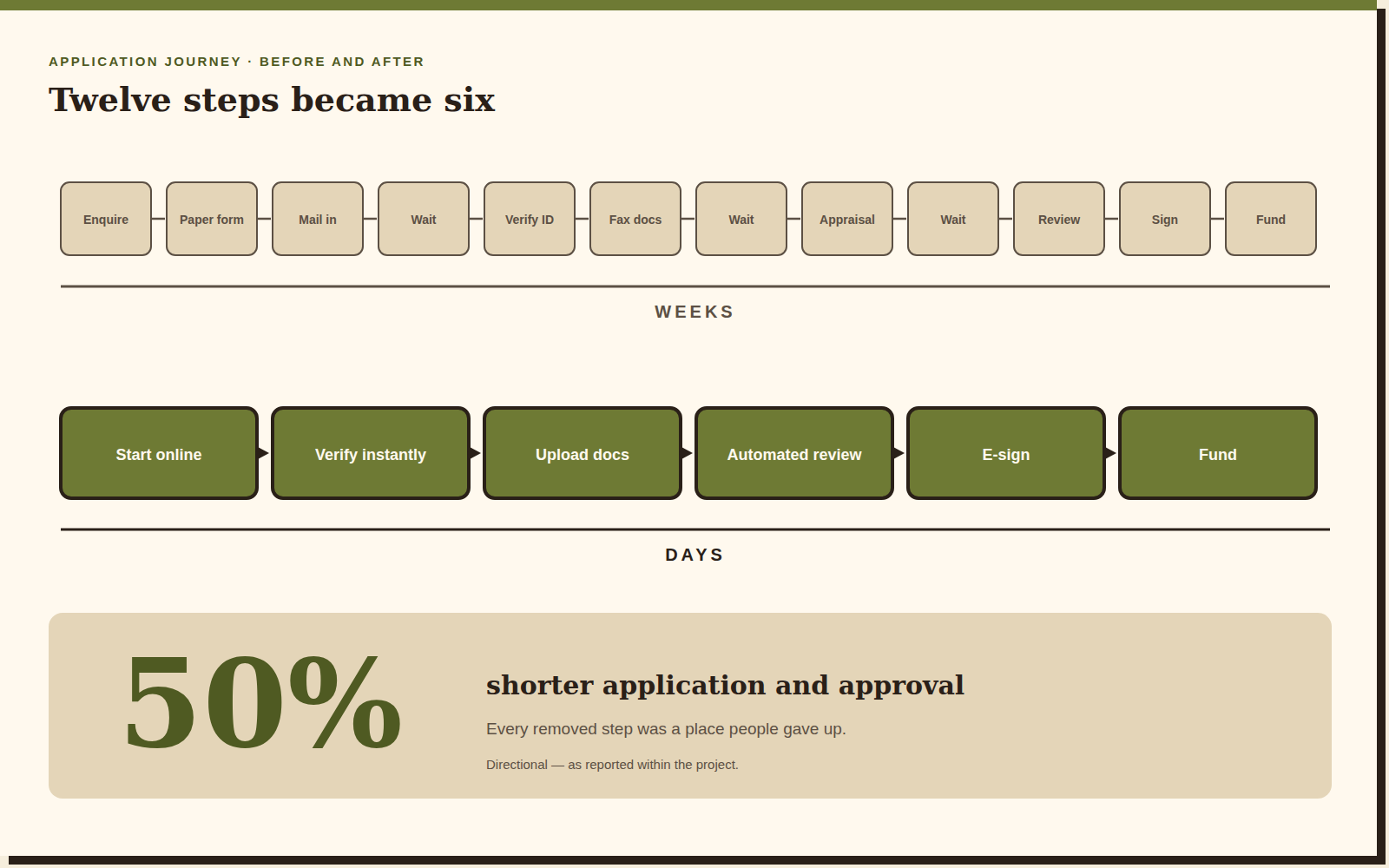
Citizens Bank
A 50% shorter application and approval process.
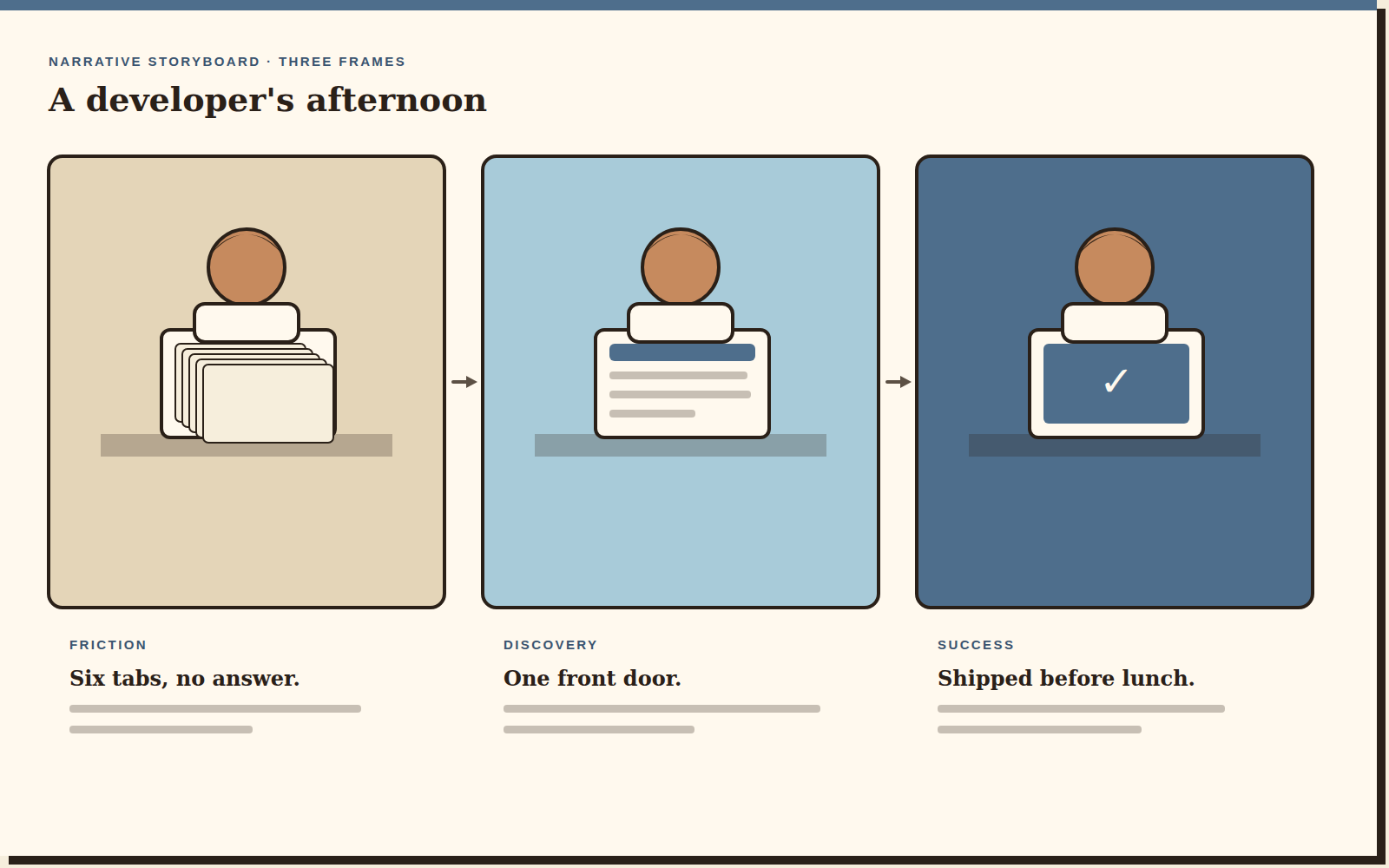
Expedia Group
A usability practice that outlived the engagement.
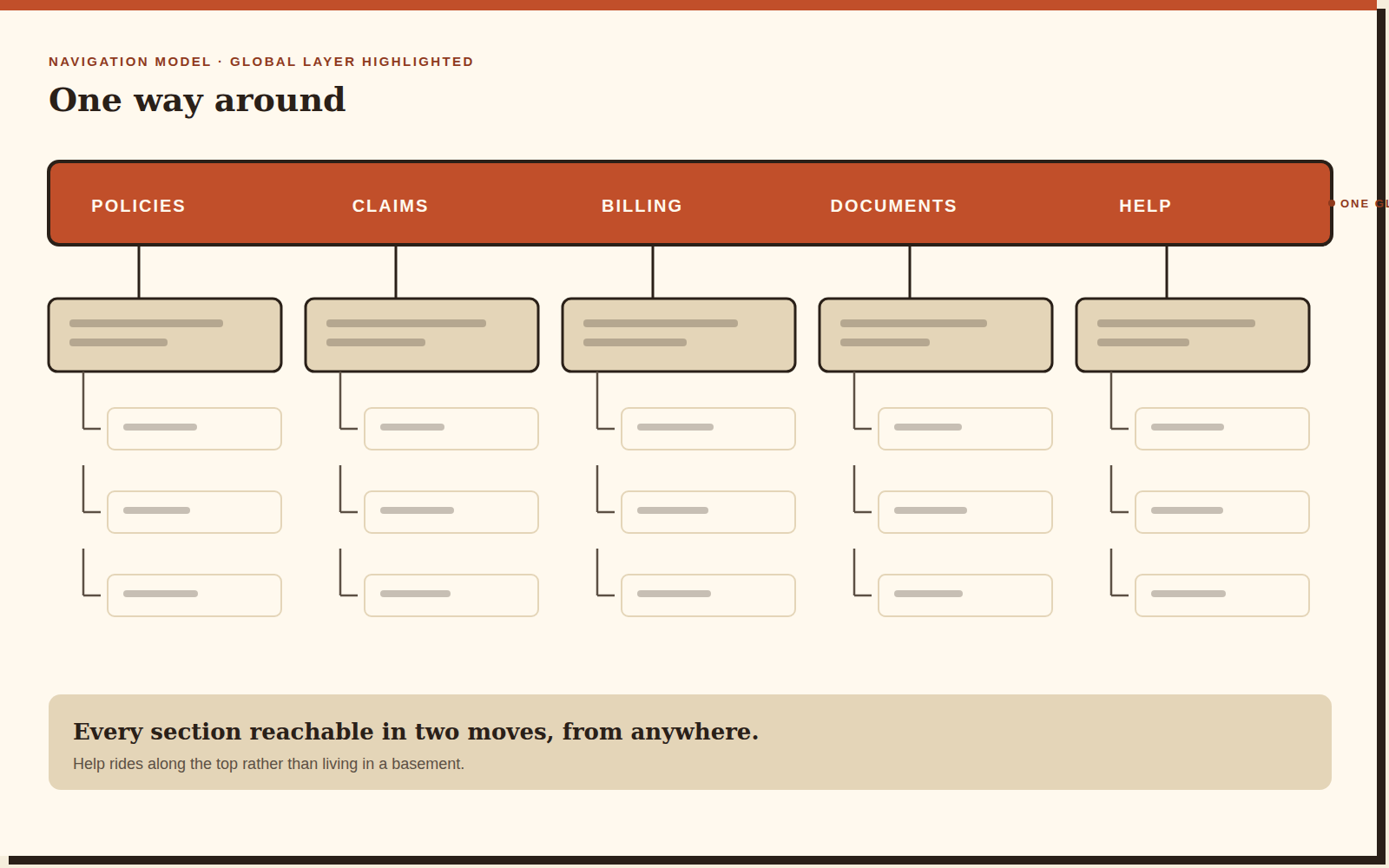
Travelers
Navigation nobody compliments, because it works.
Hi, I'm Brian.
I'm a UX and product designer in the Seattle area, designing a new path in AI accelerated UX design. Before that: banking experiences that cut approval times in half, developer platforms at Expedia, navigation systems at Travelers, and executive dashboards for Microsoft's global sales org.
I hold a U.S. patent, I prototype fast, and I've never met a whiteboard I didn't fill. Teams keep me around because I am good at telling stories and I make complext things simple. Plus, I'm genuinely fun to build with.
Trusted by teams at
What I'm usually hired for
The state of the craft
What the field actually demands right now — especially at the senior level in 2026. Tap any one to open it up.
Not just “designing AI features” but understanding how LLMs, agents, and probabilistic systems behave — designing for non-deterministic outputs, graceful failure, trust calibration, and human oversight. This is the single biggest differentiator in hiring right now.
Teams expect designers to go from idea to working interactive prototype in hours, not weeks — using tools like Figma Make, v0, Cursor, or Claude to build real, testable artifacts rather than static mocks.
Designing flows, states, permissions, and edge cases across an ecosystem — not polishing individual screens. Senior roles especially are judged on how you handle complexity, not composition.
Comfort running lightweight research (interviews, usability tests, surveys), reading product analytics, and knowing when qualitative vs. quantitative evidence is the right instrument. “I think” loses to “here’s what we saw.”
Framing design decisions in terms of metrics, cost, risk, and strategy. The designers who survive org cuts are the ones who can articulate why their work moves a number leadership cares about.
UX writing, content design, and — increasingly — prompt and conversation design. As interfaces get more conversational, the words are the interface.
Working within (and contributing to) tokens, components, and documentation. Knowing when to extend the system versus when to break it, and how to keep design and code in sync.
You don’t need to ship production code, but you need to understand APIs, data models, front-end constraints, and now model capabilities, latency, and cost — enough to design things that can actually be built.
WCAG isn’t a checklist item anymore; regulatory pressure (like the European Accessibility Act) has made it a legal and hiring requirement, and AI interfaces raise brand-new accessibility questions.
Presenting work persuasively, facilitating alignment across engineering, PM, and leadership, and defending decisions under pressure. At senior levels, your ability to move a room matters as much as your craft.